Diastasis Recti Treatment in East Longmeadow, MA: Restore Your Core with Pelvic Floor Physical Therapy
Diastasis Recti Treatment in East Longmeadow, MA: Restore Your Core with Pelvic Floor Physical Therapy
Struggling with diastasis recti in Western MA? Learn how pelvic floor physical therapy in East Longmeadow can help rebuild your core, relieve pain, and get you back to feeling strong and confident.
For many women, the journey of motherhood is filled with wonder and joy, but it can also bring about significant changes to the body. One such change that often goes under the radar is diastasis recti—a condition characterized by the separation of the abdominal muscles. It's a common occurrence during pregnancy and can continue to be present postpartum. Diastasis recti itself is not a cause for concern. What should be addressed is any discomfort, weakness, or altered body mechanics. Fortunately, pelvic floor physical therapy offers a path to address these needs and restore core strength and function.

What Is Diastasis Recti?
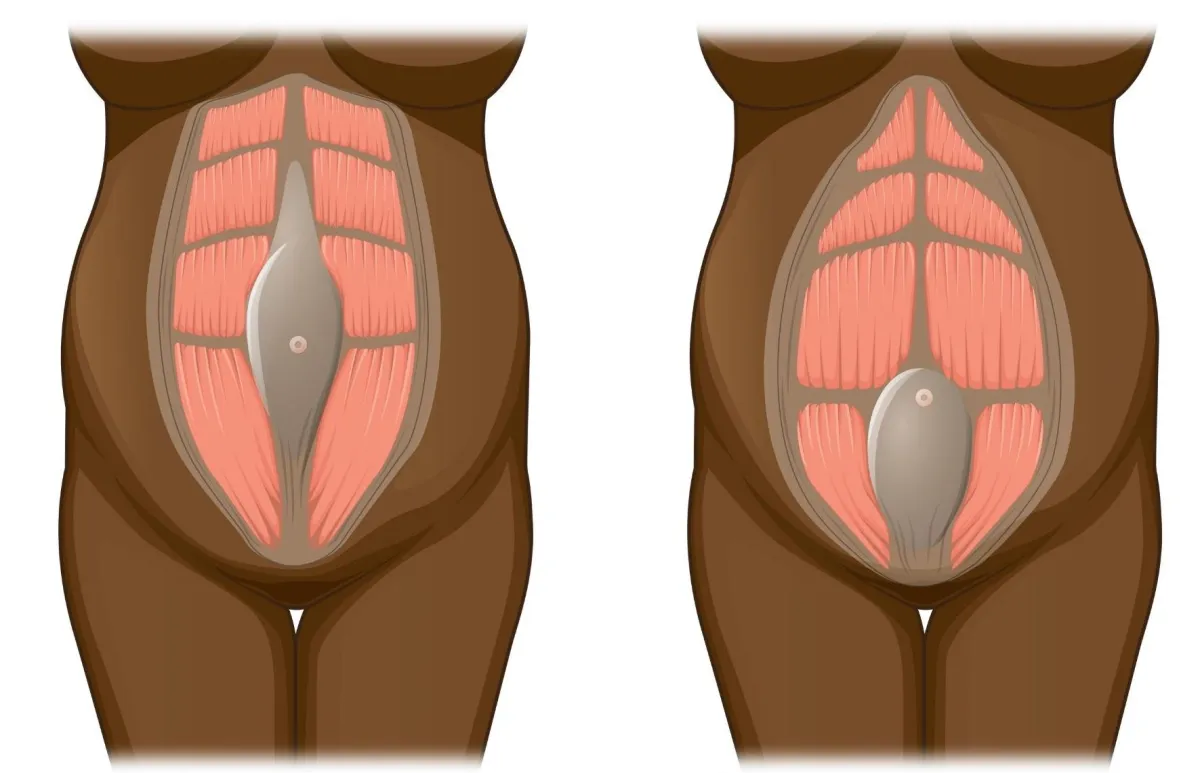
Diastasis recti occurs when the connective tissue between the left and right abdominal muscles (rectus abdominis) stretches and separates. This condition is common in pregnancy due to increased abdominal pressure, but can persist postpartum or even occur in athletes or individuals with chronic pressure mismanagement.
Common symptoms include:
A visible bulge or “doming” at the midline of your abdomen
Core weakness or instability
Pelvic pain or pressure
Poor posture or low back pain
Difficulty lifting, carrying, or performing daily activities
Can You Still Exercise with Diastasis Recti?
Yes! But not all exercises are appropriate. Movements that increase intra-abdominal pressure—like planks or crunches—may need to be properly progressed. That’s why it’s important to work with a pelvic floor and core specialist who can assess your condition and create a safe, effective return-to-fitness plan.
How Pelvic Floor Physical Therapy Helps
At Renew Health, our diastasis recti treatment approach includes:
1. Functional Core Assessment
We evaluate not just the separation, but how your core functions under load—during breath, movement, and posture. This includes evaluating pelvic floor function and other contributing systems.
2. Customized Rehab Plan
Every recovery plan is tailored to your body, symptoms, and goals—no one-size-fits-all protocol here. Your program may include:
Breath training to optimize intra-abdominal pressure
Transverse abdominis and deep core engagementdrills
Posture and body mechanics retraining
Safe core strengthening progressions
Pelvic floor integration to restore stability
3. Manual Therapy (If Needed)
Gentle hands-on techniques may improve tissue mobility and decrease compensatory tension in the abdominal wall, hips, or back.
Why Choose Renew Health for Diastasis Recti Treatment?
Our East Longmeadow team specializes in treating diastasis recti, postpartum recovery, and pelvic floor dysfunction. Whether you're newly postpartum or have been struggling for years, we're here to guide you with evidence-based care and compassionate support.
Curious if pelvic floor therapy is right for you? Fill out our contact form to chat with one of our pelvic health specialists!
📋 Contact Us
📍 Renew Health – East Longmeadow, MA
