Renew Health Blog 💭
Practical Pelvic Floor Thoughts from Your Experts at Renew Health

Kegels & Hypermobility: Why They Might Make Pelvic Pain Worse
Pelvic Floor Dysfunction in Hypermobility: Why Kegels Might Be Making It Worse
If you’ve been told to "just do Kegels" to fix your bladder leaks, pelvic pain, or prolapse, but it hasn’t helped—or worse, made things feel tighter and more uncomfortable—you’re not alone.
For individuals with Generalized Hypermobility Spectrum Disorder (HSD) or Ehlers-Danlos Syndrome (EDS), traditional pelvic floor strengthening approaches don’t always work. In fact, Kegels can sometimes make symptoms worse.
So why does this happen, and what should you do instead? Let’s break it down.
Why Hypermobility Affects the Pelvic Floor Differently
Hypermobility means your body’s connective tissue (collagen) is more elastic than normal. This makes joints and muscles more flexible but also less stable—including the muscles of the pelvic floor.
But here’s where things get tricky: The pelvic floor can be too weak AND too tight at the same time—which is why Kegels often backfire.
Many hypermobile individuals experience:
✔ Weak & lengthened pelvic floor muscles → Leading to bladder leaks, prolapse, and instability
✔ Overactive & tight pelvic floor muscles → Causing pelvic pain, constipation, or pain with intercourse
✔ Poor coordination of pelvic floor activation & relaxation → Making it hard to control bladder function, stabilize the core, or fully relax the muscles
If your pelvic floor is already tight and overworking, adding more tension with Kegels can worsen symptoms.
🚩 Signs Kegels Might Be Making Your Symptoms Worse
Many people assume that if they have bladder leaks, prolapse, or core weakness, they need to "strengthen" the pelvic floor. But for individuals with hypermobility, the issue is often not just weakness—it’s poor muscle coordination and excessive tension.
You might have an overactive pelvic floor if you:
✔ Feel pelvic pain or pressure when doing Kegels
✔ Struggle with constipation or difficulty emptying your bladder
✔ Experience pain with intercourse or tampon use
✔ Feel worse after pelvic floor exercises instead of better
✔ Have trouble fully relaxing your pelvic floor muscles
💡 If any of these sound familiar, your pelvic floor may need less squeezing and more release, coordination, and functional strength training.
What to Do Instead: The Right Approach for Pelvic Floor Dysfunction in Hypermobility
Since hypermobility affects the entire body, treatment needs to be holistic—focusing on muscle coordination, stability, and relaxation, not just "strengthening."
1️⃣ Focus on Relaxation & Awareness First
2️⃣ Strengthen Smart: Stability Over Squeezing
3️⃣ Train for Function, Not Just Strength
Get Expert Help for Pelvic Floor Dysfunction in Hypermobility
At Renew Health in East Longmeadow, MA, we specialize in helping individuals with hypermobility and Ehlers-Danlos Syndrome (EDS) overcome symptoms like pelvic pain, bladder leaks, prolapse, and chronic instability by addressing the root causes. We focus on restoring muscle balance, improving joint stability, and providing expert guidance on movement, breathwork, and long-term strength strategies—so you can move with confidence, feel supported in your body, and regain control of your well-being.
Curious if pelvic floor therapy is right for you? Fill out our contact form to chat with one of our pelvic health specialists!
📋 Contact Us
📍 Renew Health – East Longmeadow, MA

Contact Us
Phone: (413) 224-6657
Fax: (413) 273-8203
Email: [email protected]
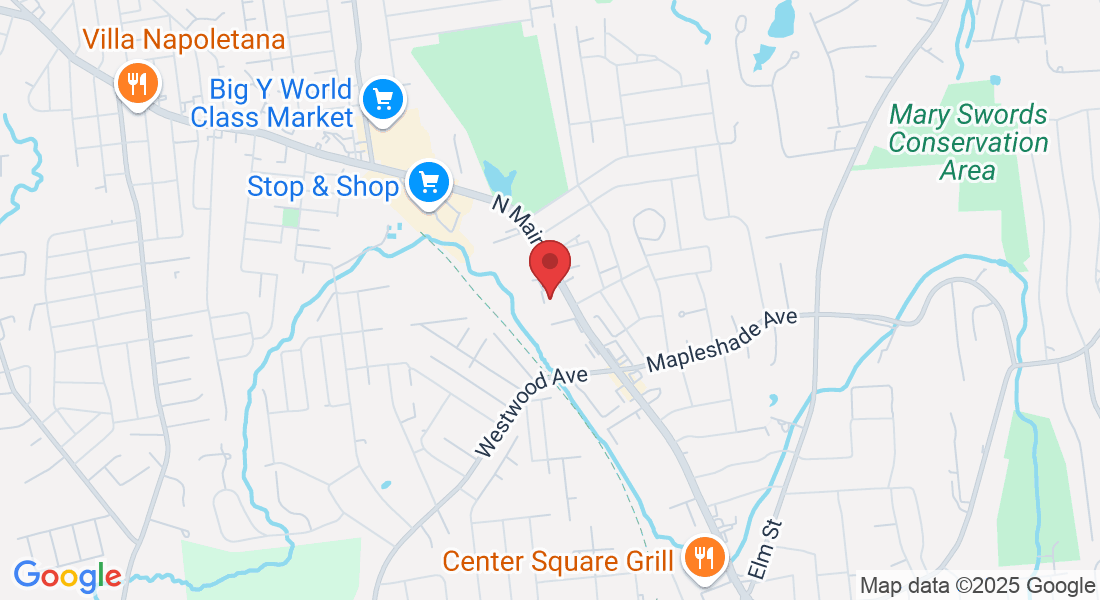
280 N. Main Street Suite 10A, East Longmeadow, MA 01028
Hours of Operation
Monday - Thursday: 7:00am - 7:00pm
Friday - 7:00am - 4:00pm